
Category: History
-
‘Diplomacy Ends A War’: 30 Years of the Dayton Agreement

Can peace last in a divided Balkan state? This year marks the thirtieth anniversary of the signing of the Dayton Agreement. This peace agreement officially ended the Bosnian War (1992-1995). It also created an unnecessarily complex political system, disregarded war crimes and genocide, and left the region in tenuous…
-
Brutalist Beauty? – The History of the Boland Library

Until the middle of the twentieth century, the ground upon which the Boland Library proudly stands today was a garden. The Old Library was the primary focus of student study. By the 1950s however, the college decided it was necessary to expand the library to accommodate both the growing student…
-
Labour’s Love’s Lost
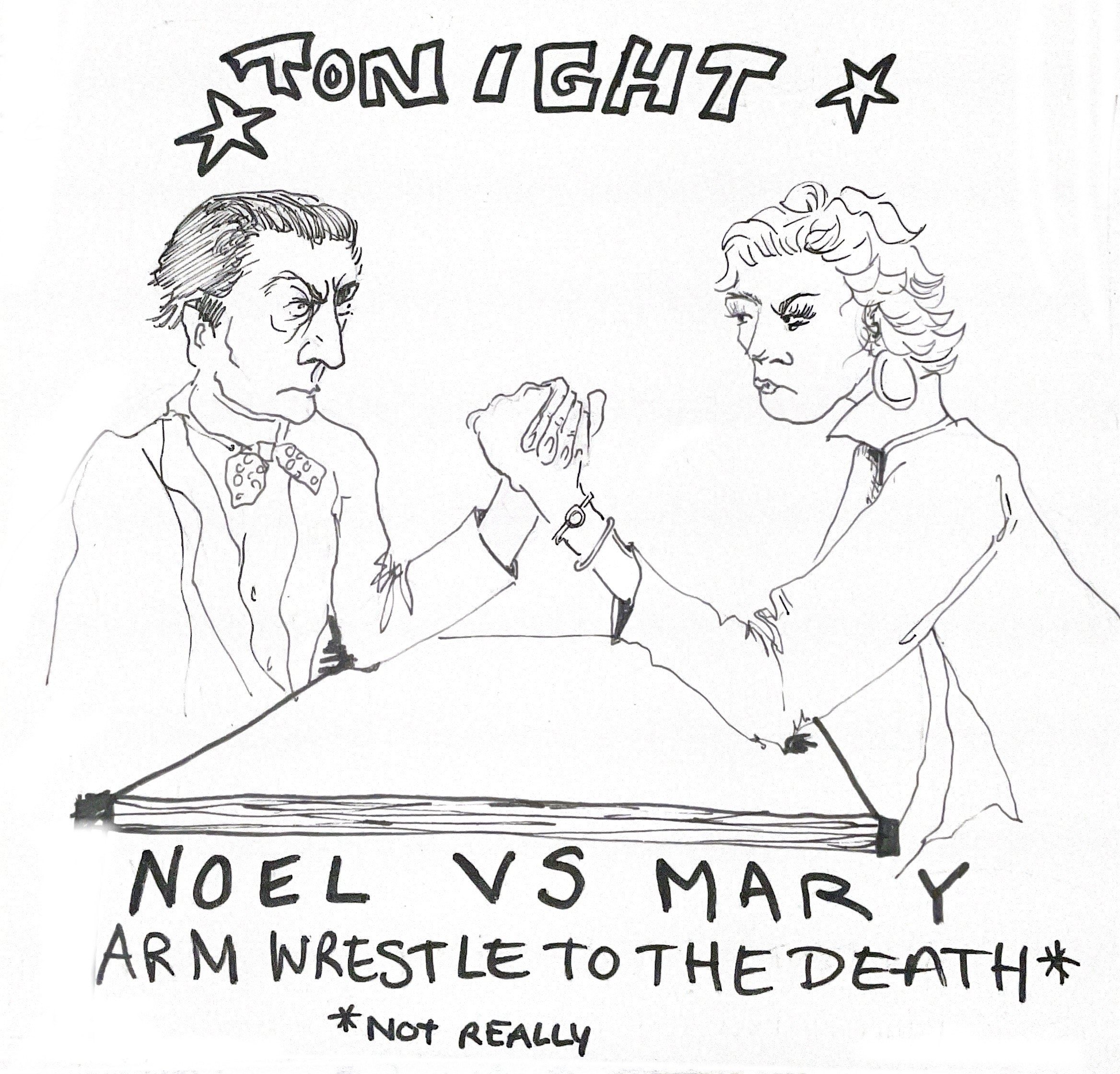
In January 1990, Labour Party Leader Dick Spring announced that his party would run a candidate for that year’s presidential election. What ensued was a nomination process that pitted two of Trinity’s most significant political alumni against one-another. For a brief moment, Ireland’s past and future met, causing success on…
-
Looking for Love, Courtney Love
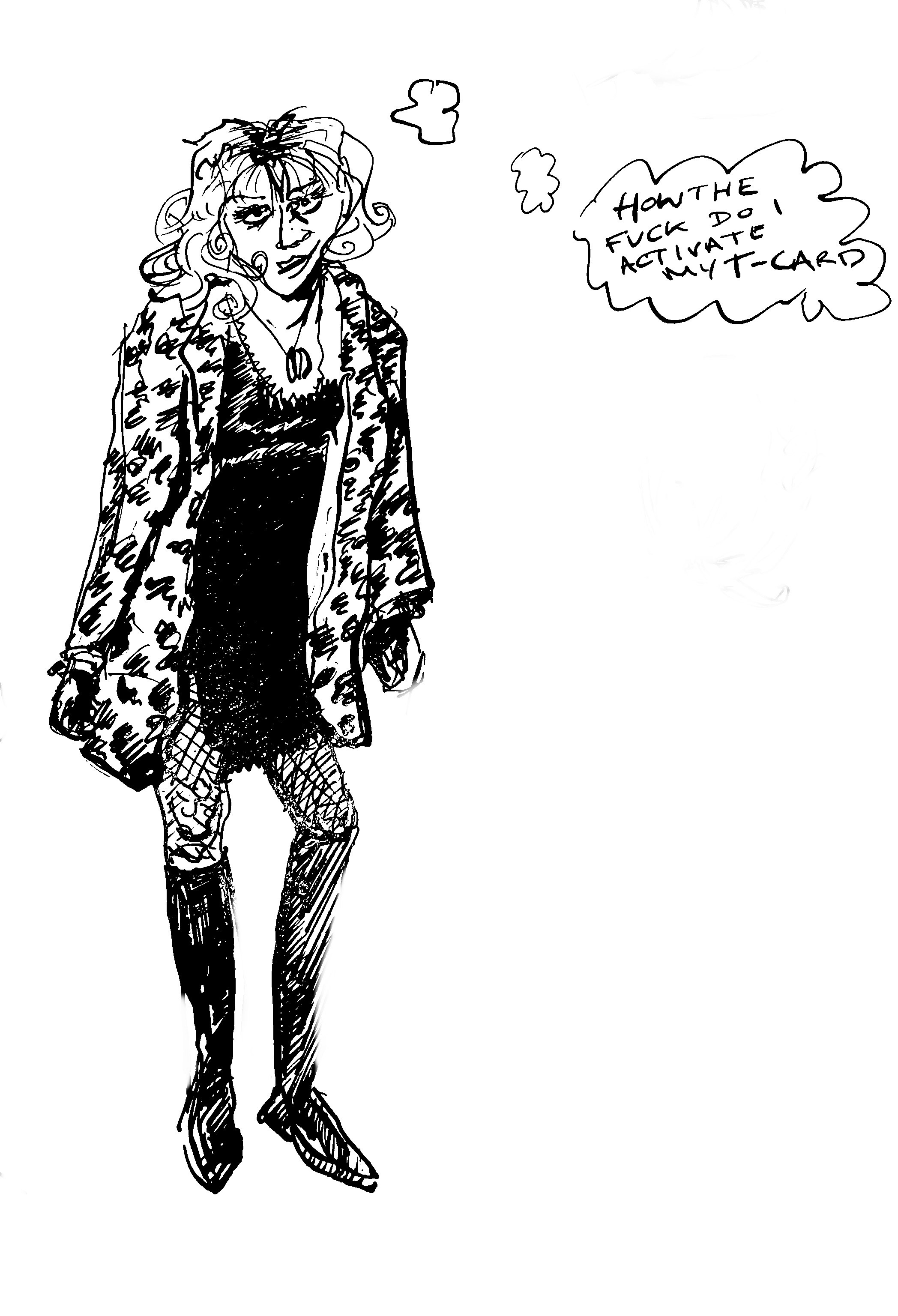
There’s a handful people throughout music history who are as equally hated as they are loved. One of these lucky few is 90s grunge icon Courtney Love. To some, she is the eccentric frontwoman of the Grammy nominated band Hole, with whom she undeniably influenced the development of the punk…
-
Trinity in ‘68

The events of 1968 that began in France and spread across the globe initially appear to have bypassed Ireland. However, while Ireland did not see a comparable wave of protests and resulting material changes to France, the same spirit still prevailed and left a mark on Irish society. The…
-
Last Friday Night

The belfry of the Trinity Campanile serves as the allegorical central meeting point for many on campus. The statues representing divinity, science, medicine and law stand proud, with Homer, Socrates, Plato and Demosthenes – pioneers of the study of humanities – overseeing this guild of students. At the other end…
-
Punk on Parliament Square

When the Clash walked onstage in Trinity’s grandiose Exam Hall for two explosive gigs in October 1977, it was a clash between a traditional institution and everything anti-institutional that punk embodied. Punk rockers spoke excitedly of the event afterwards and attendees remembered it fondly, but the media struggled to make…
-
Caps, Gowns and Curfews

Founded by Queen Elizabeth I in 1592, Trinity College Dublin, ironically, did not permit female enrolment until 1904. Indeed, from its genesis, Trinity established itself as an all-male academic bastion. However, by the late 19th century a wind of change was blowing throughout campus, and in the wake of the…
-
An Interview with Professor Lindsey Earner-Byrne

Professor Lindsey Earner-Byrne almost cancelled this interview. We were coming to the end of the interview when Lindsey admitted that she had almost cancelled on me that morning. It was the day after the US election — for many women it was a day that felt heavy with the grief…
-
Blindsided or Blind-sighted?
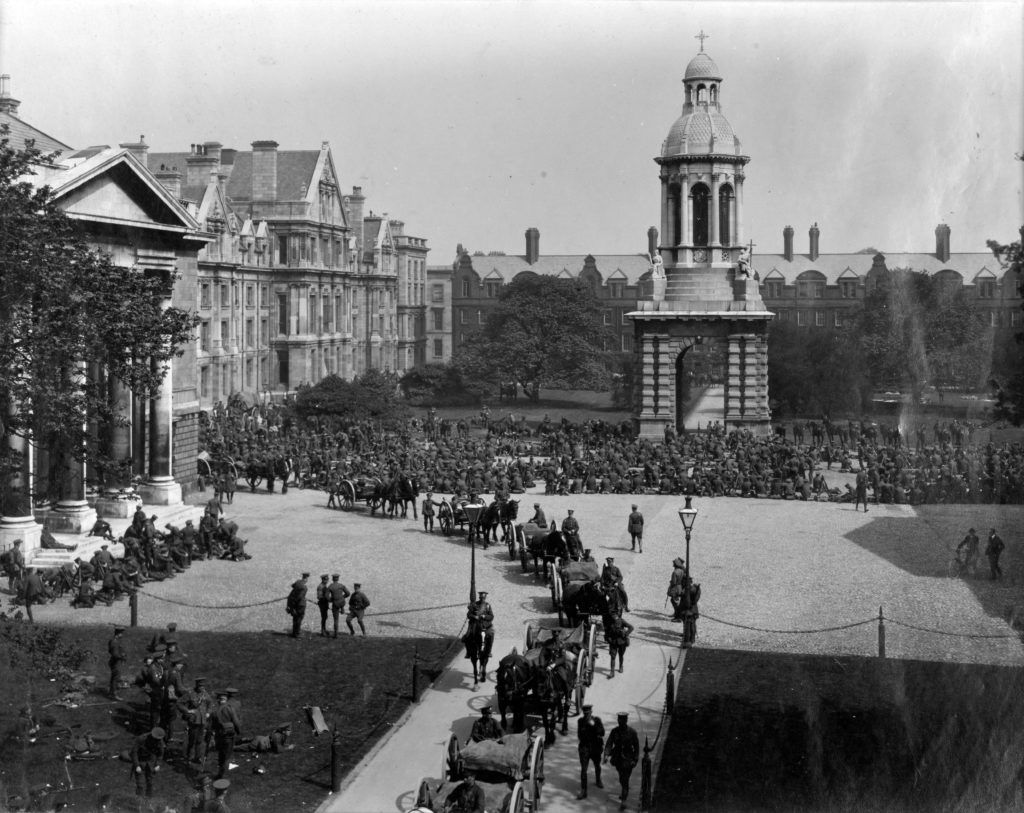
Since its establishment in 1592, Trinity College Dublin has stood in the centre of Ireland’s capital as an emblem of foreign rule. Originally founded under the name of England’s Queen Elizabeth I, the first professors and administrators of the university made no secret of its allegiance to the British crown,…